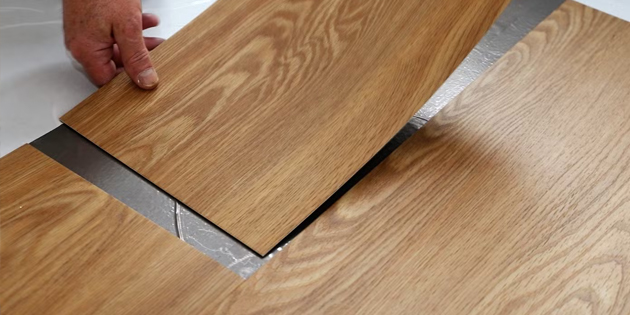
Laminate flooring sells out at home stores for good reason—it looks like real wood, costs less, and clicks together in a weekend. Yet many first-time installers end up staring at gaps, bubbles, or noisy boards only months later. These headaches rarely come from the product itself; they come from shortcuts taken before and during installation. In most cases, the fix is simple, but only if you know what to watch for. Below are seven frequent mistakes—each followed by clear, technical tips you can put to work with basic tools and a bit of patience. Read on before you open the first box, and you’ll avoid the regret list that keeps repair lines busy every spring.
Skipping the Vital 48-Hour Acclimation Stage At Home
New planks arrive wrapped tightly, holding the temperature and humidity of a truck or warehouse. Lay them straight on the subfloor, and they may swell or shrink after you lock them in, opening V-shaped gaps you can see from across the room.
Industry guidelines call for a 48-hour acclimation period:
- Store boxes flat in the space where they’ll be installed
- Keep the room between 60-80 °F (16-27 °C)
- Hold relative humidity between 35–65 %
During this time, moisture equalizes through the high-density fiber core. Skipping the wait traps stresses inside each tongue-and-groove joint. Even AC4-rated planks, made for heavy traffic, cannot fight physics. A hygrometer costs under ten dollars and tells you when conditions are steady. Patience here gives you a flat, silent floor later.
Installing Planks Without a Moisture Barrier Below
Concrete slabs and crawl-space subfloors wick damp air year-round. Without a barrier, water vapor condenses under the boards, causing cupping, or the edges curling upward. Use a 0.15-mm polyethylene sheet or an underlayment that already includes a vapor film. Tape seams with butyl tape, not packing tape, so no gaps open over time.
Key numbers to remember:
- 3 mil minimum film thickness for above-grade concrete
- 6 mil for below-grade or high-humidity basements
- Overlap sheets at least 8 inches
Barriers also reduce minor radon entry and keep musty smells from working into the core. This single layer costs less than one replacement carton and keeps warranties valid.
Forgetting to Leave Proper Expansion Gaps Around Walls
Laminate moves across its width more than its length. Box instructions call for a ¼-inch (6 mm) gap around every fixed object—walls, pipes, kitchen islands. When planks butt hard against drywall, summer moisture swells the floor until it peaks in the middle, lifting corners and stressing locks.
To keep spacing accurate:
- Use plastic or wood spacers every 2–3 feet
- Pull them only after the last row snaps in
- Cover the gap with baseboard or shoe molding
In large rooms exceeding 30 feet in any direction, insert a T-molding to split the field and prevent buckling. Expansion space is invisible once the trim goes back, but priceless when humidity climbs.
Using the Wrong Underlayment for Subfloor Conditions
Underlayment is more than a soft pad; it controls sound, levels small dips, and shields the core.
Common types include:
- Basic foam (2 mm) – quiets footfall on wood subfloors
- Foam with foil – adds vapor control over mild moisture
- Rubber cork (3 mm) – best for condos needing high STC/IIC sound ratings
If you lay thin foam on a wavy OSB deck, high spots wear through the surface layer early. If you skip a rubber cork over a downstairs neighbor, every step becomes an annoyance. Check the laminate manufacturer’s clause on maximum subfloor deviation—usually 3⁄16 inch over 10 feet—and pick an underlayment that bridges dips, or add self-leveling compound first. Your ears and warranty papers will thank you.
Clicking Joints Too Hard And Damaging the Locks
The modern click-lock edge is strong, but only when intact. Hammering directly on a plank shatters the delicate lip that holds the next board. Use a pull bar and a scrap cutoff as a buffer. Light taps of a rubber mallet are all that’s needed to seat the tongue.
Watch for these trouble signs while you work:
- Chipped edges or raised corners after tapping
- Joints that spring open when you walk away
- Dusty shavings along the seam (a sign of over-force)
Once a lock splits, that board can never fully tighten again, and the gap becomes a dirt magnet. Slow, even pressure beats brute force every time.
Neglecting Doorway Transitions And Floor Height Changes
The flooring should float freely, but doorways should separate rooms in different climates. Install a continuous run through the opening, and you invite seasonal binding. Instead, use a T-transition or reducer that allows each side to move on its own.
Check these technical cues:
- Stair noses must be glued, not floated, to meet code
- Reducers handle ⅜-inch height shifts between laminate and tile
- Leave the standard ¼-inch gap under the transition strip’s track
Plan trim kits before you cut plank lengths so you avoid a sliver-thin last piece. A simple aluminum channel keeps edges safe from pets and rolling chairs while hiding movement space beneath.
Cleaning Laminate With Harsh Water Or Steam Methods
Laminate wears a hard melamine layer, but water can still find seams. Steam mops force vapor into joints where it cools and expands the core. Over-wet microfiber pads leave dull film and swollen edges.
Keep upkeep simple:
- Vacuum with a soft-brush head to remove grit
- Mist a pH-neutral cleaner—no ammonia or oil soaps
- Wipe dry within two minutes to avoid standing fluid
For stains like candle wax, chill with ice, then gently scrape with a plastic putty knife. Remember, commercial finish renewers are made for factory aluminum-oxide layers, not for urethane. A modest routine maintains the original sheen far longer than aggressive scrubbing ever could.
Regret-Free Floors Start With Smart Choices
Laminate can serve a busy home for well over a decade when each board gets the right start—steady climate, solid support, and gentle care. Skip those steps, and repairs show up fast. From proper acclimation to careful cleaning, every tip above saves time, money, and frustration. If installing still feels daunting, Given Flooring LLC offers laminate floor installation services carried out with trained crews and strict quality checks, letting you enjoy the wood-look finish minus the guesswork or anxiety.